Yoga
Yoga with me
E-RYT 500
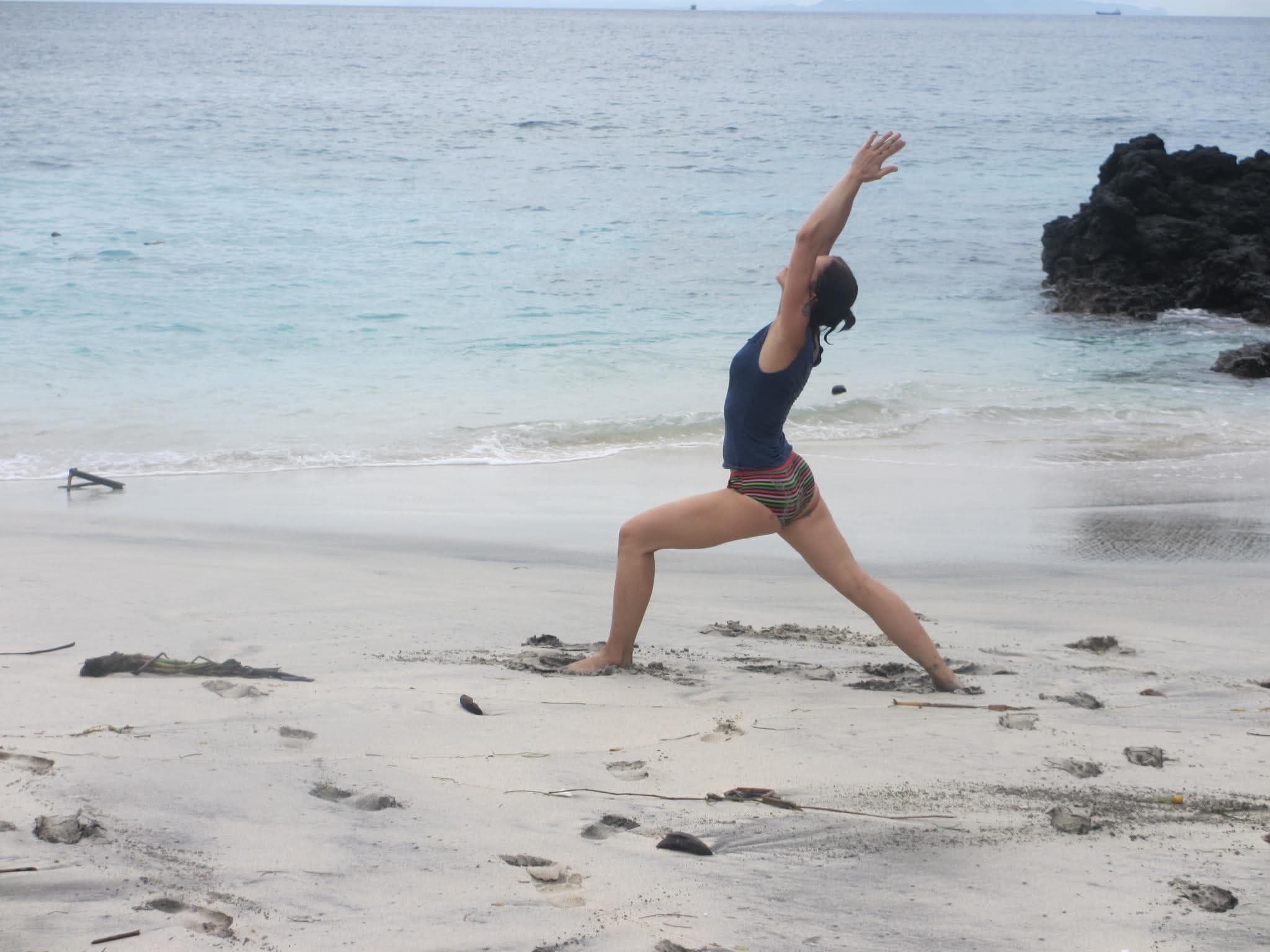
For me, yoga is not just movement. It is a return to myself — to the present moment, to the stillness within, and to the wisdom of the heart. It teaches me to flow through life with trust, to sense my body, breath and thoughts, and to find a peace that comes from within.
Shiva and Shakti
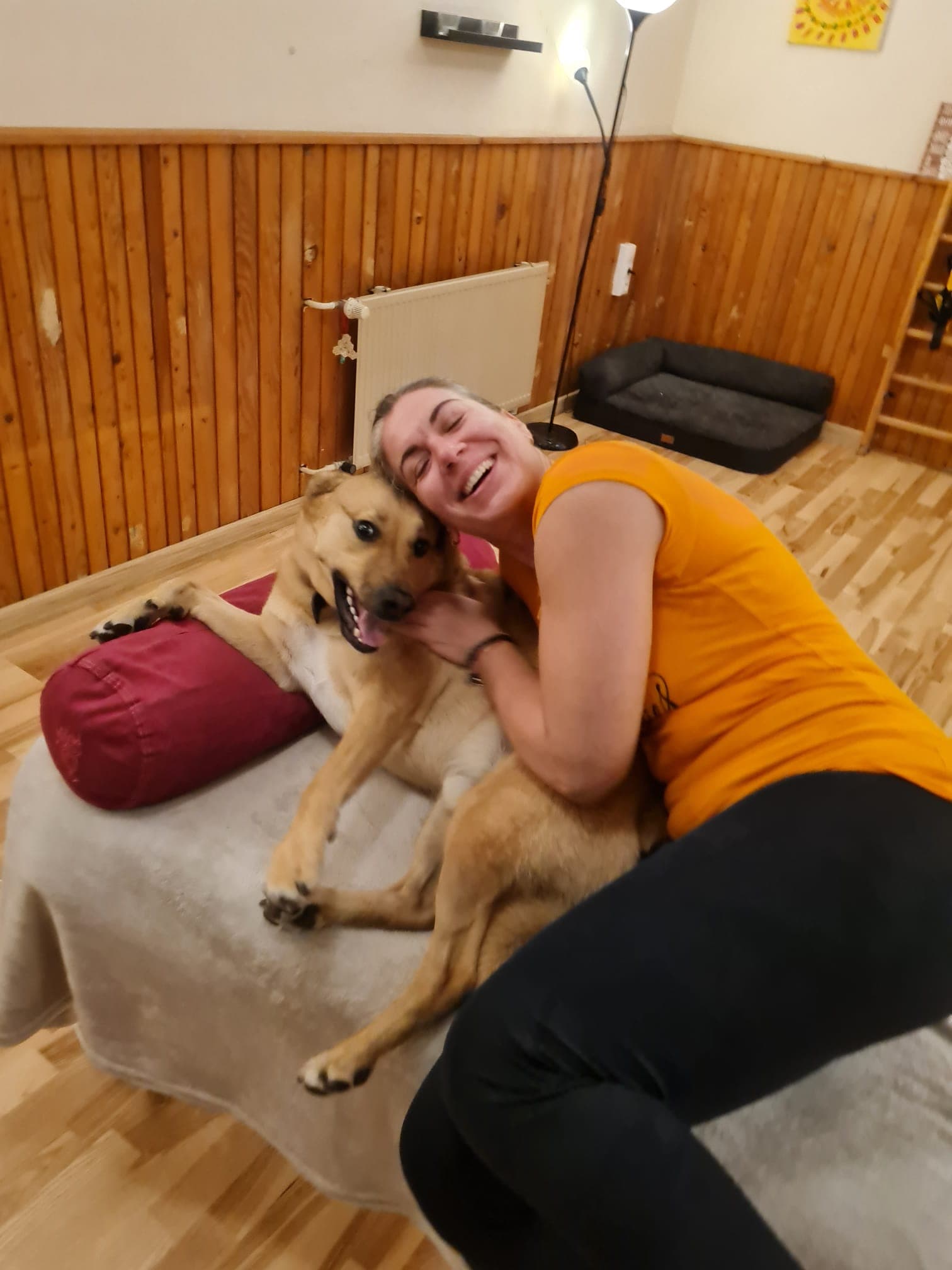
Did you know that cats have been masters of relaxation since time immemorial, and that dogs live in presence, authenticity and boundless love — right where most people spend a lifetime trying to get?
Two energies meet naturally in yoga — Shakti, the feminine energy of softness, intuition and flow, and Shiva, the masculine energy of stability, strength and conscious direction. Yin yoga supports the feminine principle more, while more dynamic styles such as Hatha yoga develop the active, yang quality.
Even so, both energies are present in every yoga practice. The aim is not to strengthen just one of them, but to create harmony between them — and from that harmony come inner balance, health and vitality.

What every class includes
Pranayama · Mudras · Bandhas · Kriyas — a deep practice of conscious yoga
Comprehensive classes focused on connecting breath, body, energy and mind. The practice grows from traditional yoga techniques and weaves together conscious breath, concentration, movement and meditation.
Pranayama – conscious work with the breath
- breathing techniques to develop awareness of the breath,
- support for diaphragmatic breathing and breath coordination,
- techniques to calm, activate or harmonise the nervous system.
Mudras – gestures of awareness
- gentle hand positions that support concentration and inner perception,
- connecting breath, meditation and attention.
Bandhas – energetic locks
- working with inner stability and conscious activation of the body,
- supporting concentration and a deeper experience of the practice.
Kriyas – cleansing and transformative techniques
- traditional yoga sequences combining breath, movement, attention and rhythm,
- developing vitality, body awareness and mental balance.
The classes offer a meeting of traditional yoga with a modern understanding of the body and nervous system. Suitable for those who want to go deeper, beyond physical exercise, and discover yoga as a tool for self-knowledge, regulation and inner balance.
Our four-legged companion
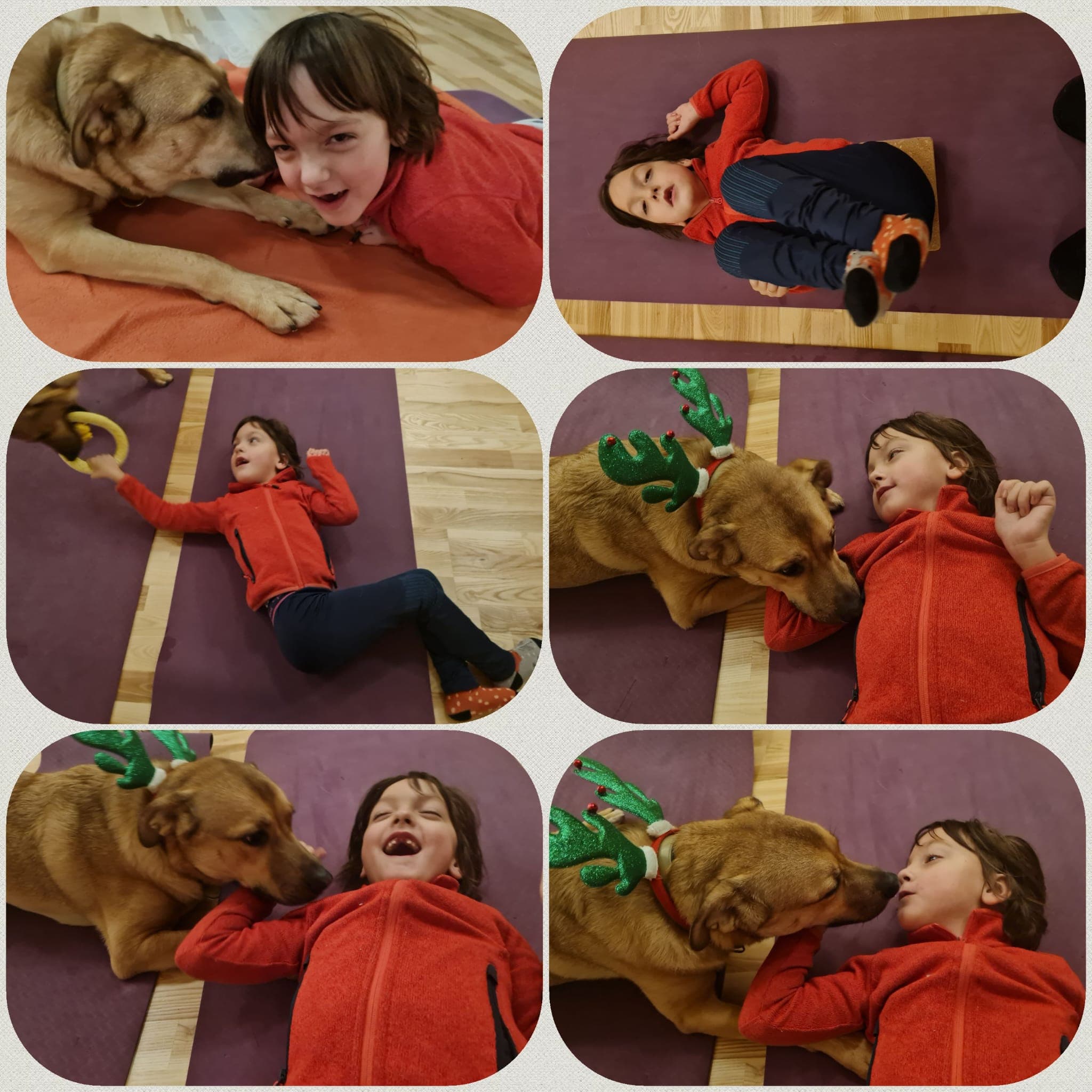
In some classes, a dog named Lary occasionally becomes part of the practice. With his natural ease, calm, joy and ability to be fully present, he reminds us of the very values we cultivate in yoga — conscious presence, authenticity, a lightness of being and joy in the moment.
Types of classes
Classes are grouped by focus. Tap a type of yoga to expand the details.
Yoga styles
Anusara yoga is a style of hatha yoga that weaves precise principles of healthy alignment together with a deep philosophy of life. It rests on the understanding that within every person there is an innate goodness, a unique potential and an inner light. Through conscious breath, movement and attention it leads us towards a deeper connection of body, mind and heart.
The word Anusara means “to flow with ease” — to open to life, to receive it with trust, and to perceive the beauty in every moment. This practice teaches us to move from the heart, to develop strength, stability and freedom, and at the same time to discover our true nature. The aim of Anusara yoga is not to reach perfection, but to awaken awareness, joy, authenticity and a deep harmony with ourselves and with the world around us.
Yin yoga – releasing old patterns of body and mind
Yin yoga is a calm, meditative and deeply restorative practice in which poses are held for three to five minutes or longer. Its gentle action works on the fascia, ligaments, tendons and joints, supporting their suppleness, hydration and healthy function. Unlike dynamic styles of yoga, it teaches us to slow down, release control and flow with trust.
From the perspective of traditional Chinese medicine it stimulates the energy channels — the meridians — and supports the harmonious flow of the life energy chi. As the body releases, space also opens for letting go of accumulated stress, emotions and old, unprocessed patterns that we often carry in the body without realising it.
Yin yoga is also an exceptional preparation for meditation. It develops mindfulness, the ability to stay present in the moment and to observe the body, the breath and our thoughts without judgement. A regular practice brings deep inner calm, balance and better sleep, supports the regeneration of the nervous system and helps create a deeper connection with ourselves.
Do you know why you feel better after a Yin yoga class? Because we are bringing the vasanas into awareness.
In the yoga tradition, vasanas are understood as deeply held patterns and tendencies we form throughout life. They can show up as recurring emotional reactions, tension in the body, automatic behaviour, or inner beliefs we are often not even aware of.
In everyday life they may show up, for example, as:
- constant tension and an inability to switch off,
- the need to control everything,
- fear, uncertainty or inner pressure,
- recurring reactions in similar situations,
- holding emotions and stress in the body.
Qigong (Chi Kung) – gentle work with energy
Qigong is a meditative art of conscious movement, breath and presence. It teaches us to slow down, to sense the body, and to restore the natural flow of life energy. It brings inner calm, deep release, a clearer mind and a deeper connection with oneself. When the body relaxes and the breath settles, strength, vitality and balance naturally awaken.
In my practice I have also worked with yoga focused on supporting mental balance, coping with stress and tension, and a better connection of body, breath and mind. I completed the Yoga for the Mind course, which enriched me with further perspectives on working with awareness, emotions and a person's inner experience.
Yoga is not only movement of the body, but also a path towards greater mindfulness, calm and the ability to respond consciously to life situations. Through breath, meditation, conscious movement and self-knowledge it helps create space for inner stability and harmony.
Therapeutic yoga
Therapeutic yoga is an individually tailored approach that brings together the principles of yoga and physiotherapy. It focuses on restoring the function of the musculoskeletal system and improving stability, mobility, coordination and healthy movement patterns. It helps with back pain, muscular imbalances, recovery after injuries and long-term movement difficulties, and supports a harmonious connection between the body, the breath and the nervous system.
Combining the principles of Dynamic Neuromuscular Stabilisation (DNS) with therapeutic yoga draws on our understanding of the natural development of movement and the way the nervous system works.
Targeted exercises support proper activation of the deep stabilising system, optimal posture, breathing pattern, coordination and efficient movement patterns. Combined with yoga, they create a safe, conscious approach to improving mobility, stability and awareness of your own body.
Suitable for back pain, scoliosis, disc problems, muscular imbalances, recovery after injuries and neurological diagnoses — always with an individual approach shaped around the client's needs.
Therapeutic Pilates, yoga & DNS – conscious movement and physiotherapy combined
Therapeutic Pilates combined with yoga and the DNS method (Dynamic Neuromuscular Stabilisation) creates a comprehensive movement concept focused on proper activation of the deep stabilising system, the restoration of natural movement patterns and support for the health of the musculoskeletal system.
A cancer diagnosis affects not only the body, but also the mind and inner world of a person. Therapeutic yoga creates a safe space to pause, breathe consciously and return to yourself. It helps release tension, supports the body's regeneration, calms the nervous system and brings greater peace and trust in your own body.
In yoga we do not see a person only through their diagnosis. We see their wholeness – body, breath, mind and awareness. Gentle movement, breath and conscious presence help rediscover the inner strength that remains, even in the most demanding times of life.
Yoga does not replace medical treatment. It can, however, become a support on the path towards healing, acceptance, a greater quality of life and a deeper connection with oneself.
Yoga for children
Children's yoga combined with physiotherapy supports healthy motor development, good posture, coordination, balance and stability. Through playful exercises it builds strength, flexibility, proper breathing and awareness of one's own body.
Each lesson is shaped around the individual needs of the child and draws on the insights of physiotherapy. The aim is not only to improve motor skills, but also to nurture concentration, confidence, emotional well-being and joy in movement.
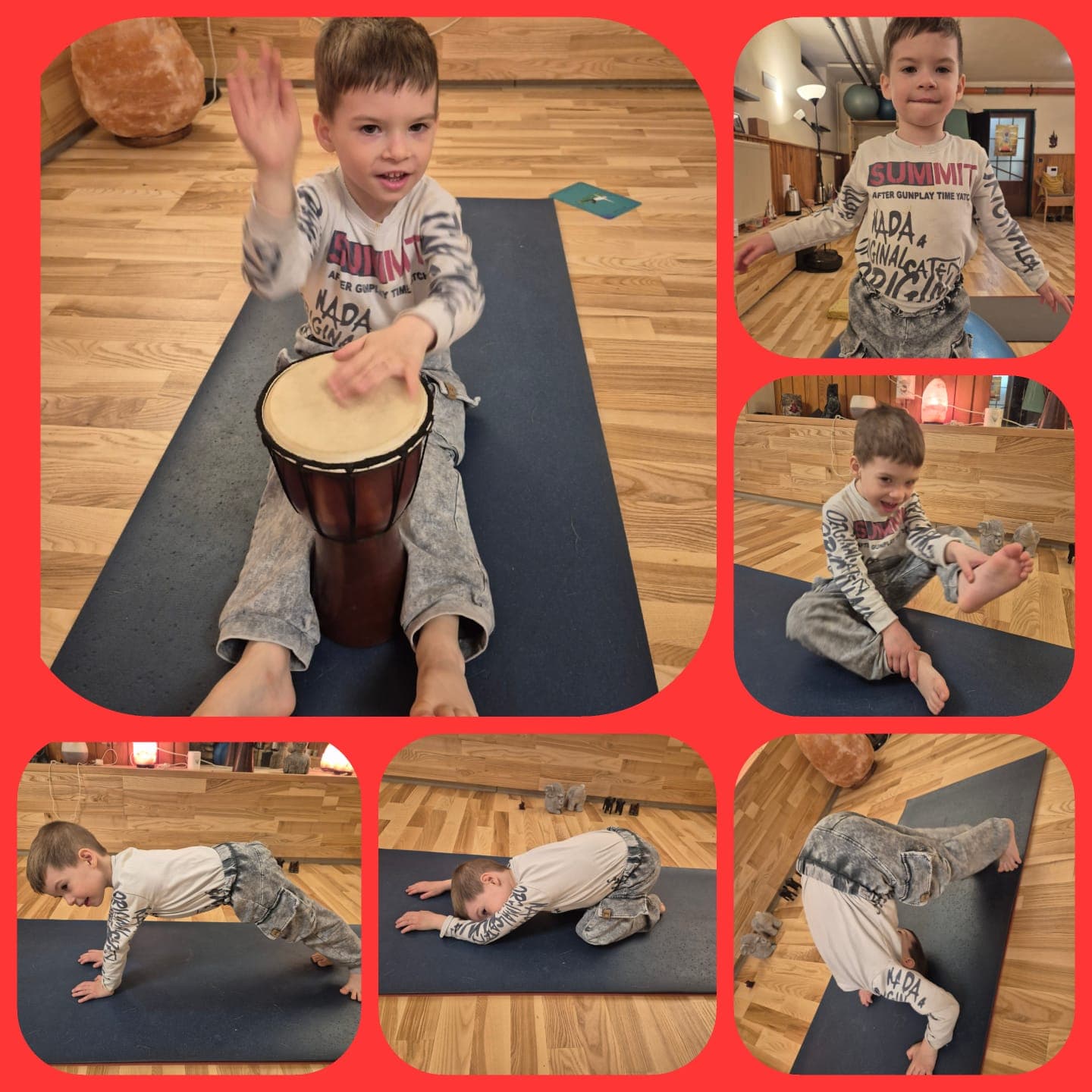
Yoga for children with special needs is a gentle, playful form of movement that supports body awareness, coordination, balance and overall motor development. Combined with a physiotherapy approach, it helps children with a range of movement and developmental needs, including children with ADHD, autism or physical disabilities.
Through breath, movement, relaxation and play, it creates a safe space to develop motor skills, focus, self-confidence and emotional balance. Each lesson is adapted to the individual abilities of the child, with respect for their uniqueness.
Yoga for athletes
A specialised programme combining physiotherapy, yoga and the principles of DNS (Dynamic Neuromuscular Stabilisation) for children and young athletes – footballers, hockey players, gymnasts, dancers, swimmers and athletes from other disciplines.
The aim is to support healthy movement patterns and to develop deep stabilisation, coordination, mobility, flexibility and efficient use of the body during athletic performance.
The programme focuses in particular on activating the deep stabilising system of the spine, good posture, the prevention of overload and improved movement control. It combines conscious movement, breathing patterns, stabilisation exercises and functional training according to the individual needs of the young athlete.
Suitable as a complement to sports training, as injury prevention, and as support for returning to movement after overload.
Yoga for athletes – strength, stability and movement without limits
A special yoga for golfers, cyclists, swimmers, dancers and all active athletes, combining conscious movement, physiotherapy principles and functional preparation of the body.
It focuses on developing mobility, stability, flexibility, coordination and healthy movement patterns. It helps athletes improve performance, support recovery, prevent overload and build a better connection between body and mind.
Yoga in everyday life
A healthier back and more energy through the working day.
Spending hours at the computer? Office yoga helps release a stiff neck, shoulders and spine, ease the tension of long sitting, and restore the body's natural movement. Targeted exercises support good posture, activate the deep stabilising system, and bring more energy, focus and well-being into your working day.
Breath and meditation
See Yin yoga under Yoga styles for details.
Pranayama – the art of conscious breath
The breath is a bridge between the body, the mind and our inner world. When we breathe shallowly and unconsciously, we often stay in tension and disconnected from our own experience. Conscious breathing allows us to slow down, perceive the present moment and awaken the ability to live more fully and consciously.
Pranayama is a traditional yogic discipline of working with the breath that supports regulation of the nervous system, improves body awareness, brings inner stability and helps create space between a stimulus and our reaction.
I draw my experience with pranayama from studying with experienced yoga teachers, from meditation practice and from my stays in India, where I devoted myself to a deeper understanding of breath, awareness and traditional yogic principles. I combine this knowledge with my therapeutic approach to the body and the nervous system.
Mindfulness meditations – uniting modern practice, the yoga tradition and deeper work with oneself
Even as a small child in nursery I asked myself: Who am I? I realised that I was able to observe my own thoughts. And that raised another question in me: if I am observing them, who is the observer within me? That curiosity became the beginning of my path to mindfulness – to consciously living the present moment, knowing myself more deeply and discovering inner peace.
Mindfulness meditations are based on the principle of conscious attention – the ability to perceive the present moment, one's body, breath, emotions and thoughts with greater calm and perspective.
In my work I combine many years of experience in yoga, physiotherapy and conscious work with the body with knowledge gained during my stays in India and Bali, where I had the opportunity to learn traditional meditation approaches from experienced teachers, including Buddhist monks.
Meditation can be a support in coping with stress, inner tension, overload and emotional challenges, and in finding greater balance in everyday life. It teaches us to perceive the body better, to work with the breath and to create space for calm, focus and self-knowledge.
Each session is guided sensitively and individually – with respect for the unique needs of each person.
Access Bars® is a gentle relaxation technique in which selected points on the head — connected to various areas of life such as stress, emotions, thought patterns and inner tension — are stimulated with a light touch.
The method supports deep release, calming of the mind and the creation of space for greater ease, inner peace and conscious self-awareness. It is suitable as a supportive relaxation technique for mental tension, overload and the need for regeneration.
Watsu – uniting water, conscious touch and deep relaxation
Watsu is an exceptional therapeutic technique in water that uses the support of a warm aquatic environment, flowing movements, gentle mobilisations, breath and conscious touch. It helps release the body, ease muscle tension, support mobility and induce a state of deep relaxation and inner peace.
I completed a professional Watsu course in India, where I immersed myself in the principles of working with the body, the energy of movement, conscious touch and relaxation. I combine the experience from this practice with my many years in physiotherapy, therapeutic yoga and a holistic approach to the person.
Watsu offers a space to slow down, release accumulated tension and rediscover harmony between the body, breath and mind.
We'll arrange a time together — just drop me a message.
Write to me